

Is Boho Style the Same as Farmhouse?
Introduction
In the world of interior design, styles often blend and borrow from one another. Two styles that are often confused but distinct in their manifestations are Boho style (short for Bohemian) and Farmhouse. Each offers a unique blend of aesthetics that appeals to many. But are they really the same? Let’s explore the distinguishing elements of these styles and discover how they might overlap or diverge.
Understanding Boho Style
Boho, short for bohemian, reflects a free-spirited and eclectic approach to decor. Rooted in the 1960s and 1970s counterculture, this style embraces various influences from around the world, particularly from different cultures, artists, and lifestyles. Boho incorporates vibrant colors, mixed patterns, and an array of textures, creating a laid-back, artistic atmosphere.

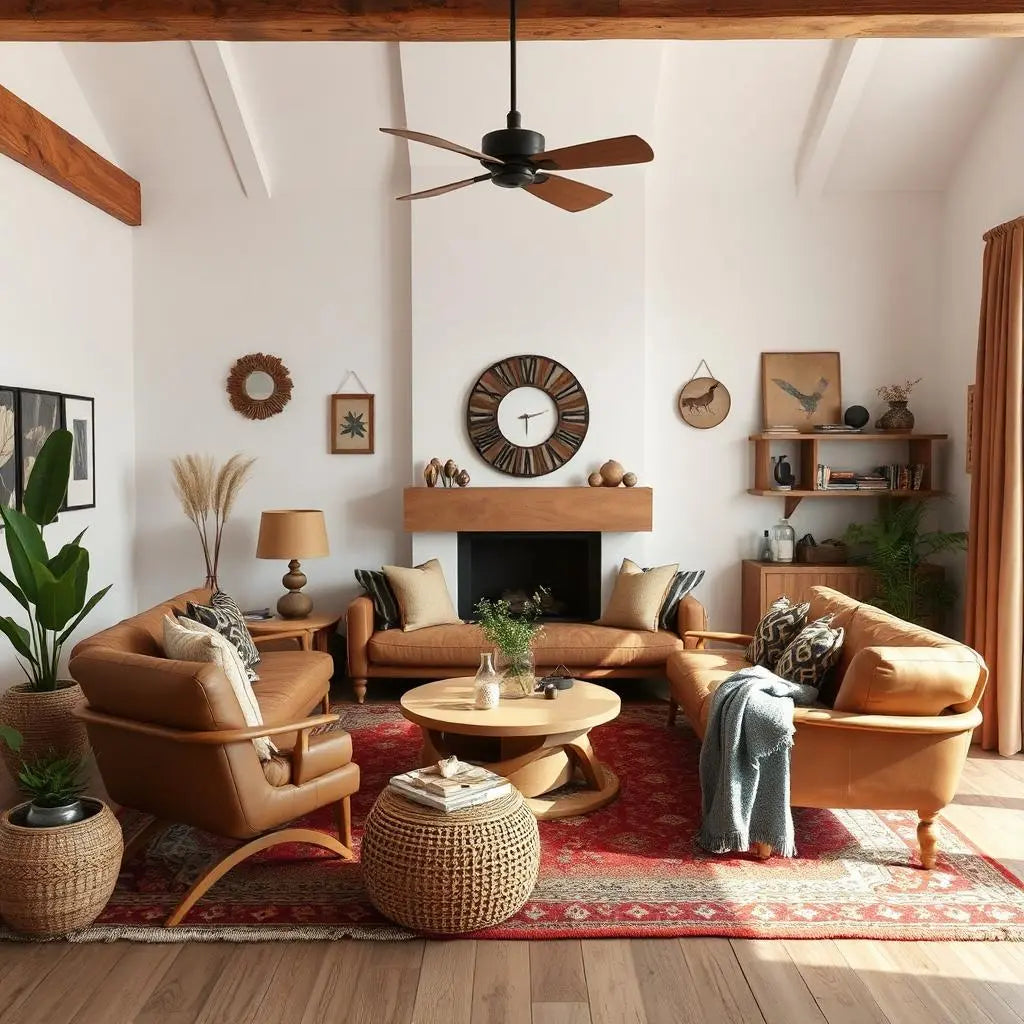
Key elements of boho decor include layered textiles such as throws and rugs, unique artwork, and decorative items that tell a story. Furniture pieces are often vintage or handmade, contributing to a warm, inviting vibe. Plants also play a significant role, bringing life and freshness to the space.
In essence, boho interiors are all about expressing individuality and creativity through diverse colors, shapes, and materials. This unconventional style prioritizes comfort, making it perfect for those who enjoy lounging and social gatherings. While some may find boho decor chaotic, its charm lies in the beautiful mix of personal treasures and cultural artifacts, creating a cozy haven that reflects the owner's personality.
Unpacking Farmhouse Style
Farmhouse style, on the other hand, draws inspiration from rural farmhouses, emphasizing comfort, simplicity, and function. Originating in the late 19th century, this design style has been revived in recent years, especially with the rise of the "modern farmhouse" trend. Characterized by a sense of nostalgia, farmhouse decor promotes a warm, welcoming ambiance that evokes images of country living.

Key features of farmhouse decor include natural materials like wood, stone, and metal. Furniture is typically sturdy and practical, often with a vintage or distressed finish. Neutral color palettes dominate, with whites, creams, soft grays, and muted tones being the most common. Farmhouse style incorporates elements such as shiplap walls, barn doors, and rustic lighting fixtures, contributing to a homey atmosphere.
Accessories are often handmade or vintage, reflecting a connection to the past. Farmhouse decor encourages a minimalist approach, focusing on essentials and functionality rather than excess. This style fosters a sense of community and togetherness, making it ideal for family gatherings and everyday life. It’s about creating a sanctuary that feels grounded and nurturing.
Key Differences Between Boho and Farmhouse
While both boho and farmhouse styles aim to create comfortable and inviting spaces, they differ significantly in their aesthetics and philosophies. One major difference lies in color schemes: boho interiors often embrace vibrant, saturated hues, whereas farmhouse decor tends to lean towards a more subdued, neutral palette. This difference in color choice reflects each style’s underlying theme, with boho celebrating diversity and farmhouse prioritizing simplicity.
Texture is another distinguishing feature. Boho decor is characterized by layers of different fabrics and textures, including plush cushions, woven baskets, and intricate tapestries. Farmhouse style, in contrast, focuses on natural materials and simplicity, with less emphasis on texture layering. Farmhouse decor often features items like burlap, linen, and reclaimed wood, reinforcing its rustic charm.
Additionally, the furniture choices in boho and farmhouse styles differ. Boho furniture is often eclectic—mixing vintage, modern, and handcrafted pieces—creating a diverse look. On the other hand, farmhouse furniture reflects a more cohesive aesthetic, prioritizing a uniform, rustic charm that feels grounded.
Ultimately, while both styles can create inviting spaces, they cater to different tastes and lifestyles. Boho encourages free expression and creativity, while farmhouse embodies a simpler, more structured approach to home design.
FAQ
1. Can I combine boho and farmhouse styles in my home?
Yes, combining boho and farmhouse styles can create a unique, eclectic look. You can blend vibrant boho textiles with rustic farmhouse furniture for a cozy yet artistic space.
2. Are there specific colors that define boho and farmhouse styles?
Boho styles typically feature bold, vibrant colors and patterns, while farmhouse decor leans towards neutral tones like whites, creams, and soft grays.
3. Which style is better for small spaces?
Both styles can work in small spaces, but farmhouse tends to promote a more functional layout, while boho can incorporate more decorative items, which may require careful organization.
Conclusion
In summary, while boho and farmhouse styles share a commitment to creating comfortable and welcoming environments, they diverge significantly in their aesthetics, color palettes, textures, and furniture choices. By understanding these differences, homeowners can choose the style that best represents their tastes and lifestyle.

Share:
The Beauty of Organic Materials: Why Teak Wood and Rattan Are Ideal for Your Home
Rustic Furniture: A Complete Guide to Choosing Timeless Pieces